If you’re looking for a natural way to support your heart, blood circulation, and even brain health, nattokinase is worth your attention.
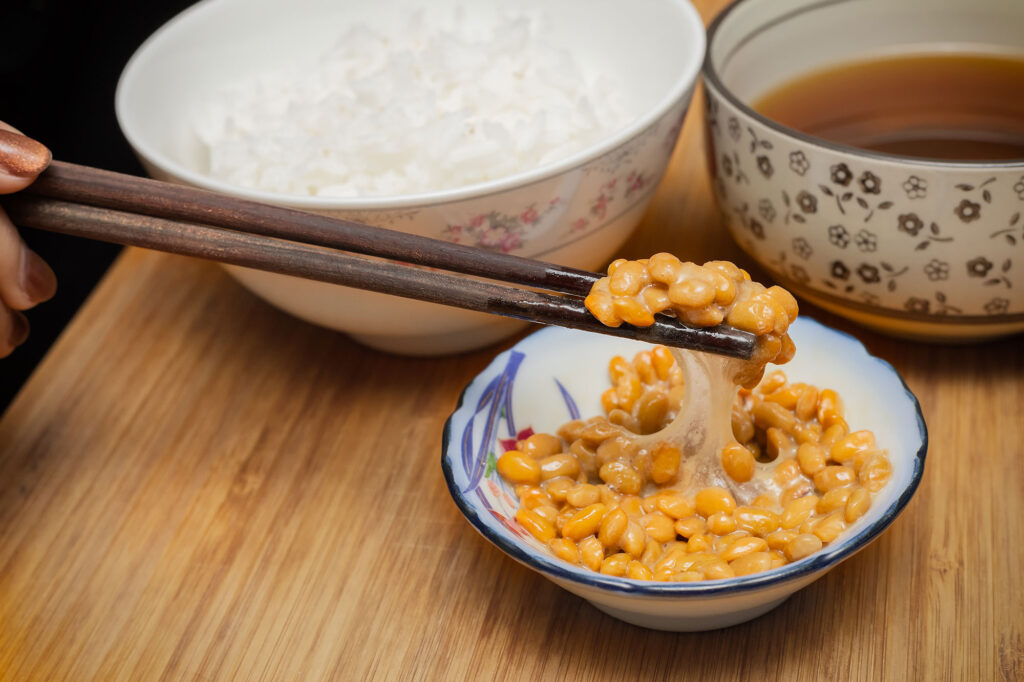
Nattokinase is a fibrinolytic enzyme originally discovered in natto, a traditional Japanese food made by fermenting soybeans with Bacillus subtilis natto [1]. This purified enzyme has been studied extensively since scientists first isolated it, and the research focuses on how it supports healthy blood flow, helps break down excess fibrin, and promotes overall vascular function [1,2].
More people are getting interested in nattokinase as they look for proactive ways to protect their cardiovascular health, especially if their doctor says their labs are “normal” but they still want to reduce their long-term risk of cardiovascular diseases [3,6]. The natto extract containing this enzyme produced through fermentation offers a natural option for those seeking better circulation support.
Here’s what makes nattokinase different: rather than working like conventional cholesterol drugs or pharmaceutical blood thinners, it supports your body’s natural fibrinolytic pathways. That means it helps with circulation and vascular balance without directly messing with cholesterol synthesis or vitamin K metabolism [2,3].
In this article, we’ll look at how nattokinase actually works, what clinical trials show, who might benefit, important safety considerations, and how it fits into a smart, evidence-based cardiovascular strategy.
Table of Contents
Heart Health, Blood Circulation, and Cardiovascular Support
Nattokinase is best known for supporting cardiovascular health and blood circulation. Research suggests it may help reduce blood viscosity. Basically, it helps your blood flow more smoothly, which eases mechanical stress on your heart and blood vessels [3,6]. Studies in humans have shown that nattokinase supports improved blood flow and increased blood flow to vital organs by helping break down fibrin.
Multiple human clinical trials in Japan and the United States have found that nattokinase supplementation leads to modest but meaningful reductions in blood pressure for adults with mild hypertension [6,7]. In these clinical studies, people taking nattokinase daily saw average decreases in both systolic and diastolic blood pressure over about 6-8 weeks [6,7]. These trials in humans provide solid evidence for nattokinase’s cardiovascular benefits.

Healthy circulation isn’t just about blood flow, though—it also depends on how well your blood vessels function and stay flexible. Nattokinase appears to support these processes by assisting fibrin degradation and improving how your vessels respond to changes in blood flow, which may help reduce long-term strain on arterial walls [1,6]. Research using rat models has shown that nattokinase reduces intimal thickening and vascular intimal thickening, suggesting it helps protect against arterial stiffening [8].
If you have early cardiovascular risk markers—things like borderline blood pressure, a family history of cardiovascular diseases, or age-related vascular changes—nattokinase may work well as supportive care within a broader prevention strategy. Just keep in mind it’s not meant to replace medical treatment [6].
Fibrinolytic Enzymes and Anticoagulant Effects
Nattokinase belongs to a special class of fibrinolytic enzymes, which means it helps break down fibrin—the structural protein your body uses to form blood clots [1,2].
Here’s how it works: nattokinase affects your system in two ways. It directly breaks down fibrin, and it also boosts your body’s own clot-regulating systems. Specifically, it increases tissue plasminogen activator (tPA) activity while reducing plasminogen activator inhibitor-1 (PAI-1) [2]. The biological effects of nattokinase show it takes a multi-faceted approach to supporting healthy circulation.
Through these mechanisms, nattokinase demonstrates mild anticoagulant effects. It contributes to improved blood fluidity and enhanced blood flow without the aggressive clot inhibition you’d see with pharmaceutical blood thinners [3,6]. Clinical and experimental studies have documented reductions in plasma fibrinogen levels and increases in fibrinolytic activity after people start supplementing [3,6]. These effects of nattokinase on blood parameters have been consistently observed across multiple human clinical trials.
Antiplatelet Activity and Thrombosis Support
Beyond breaking down fibrin, nattokinase has also demonstrated antiplatelet activity. This means it may help reduce excessive platelet clumping that contributes to thrombosis and poor circulation [3,6].
By supporting both fibrinolytic and antiplatelet pathways, nattokinase tackles multiple factors that can strain your vascular system—an approach that fits well with long-term cardiovascular disease prevention strategies [6]. This dual action provides blood flow support through complementary mechanisms.
Stroke Prevention, Cerebral Circulation, and Brain Health
Your brain needs adequate blood circulation to stay healthy. Research suggests nattokinase may support stroke prevention by helping maintain clear blood vessels and reducing fibrin buildup in cerebral vessels [2,6]. The effects of nk (nattokinase) on cerebral blood flow have been examined in both animal and human research studies.
Animal studies using rat experimental models have shown reduced cerebral infarct size and decreased arterial thickening after nattokinase supplementation compared to controls [8]. These rat study models give us valuable insights into the stroke risk reduction potential of nattokinase, with research showing benefits in preventing stroke and reducing stroke risk through better cerebral circulation.
To be clear, nattokinase is not a treatment for stroke. But it may support neurovascular health as part of a comprehensive, prevention-focused approach to preventing stroke [6].
Supporting Cognitive Health and Brain Function
Emerging research suggests nattokinase may support brain health and cognitive health indirectly—by improving circulation and reducing fibrin-related blockages in blood vessels [2,8]. Studies looking at the effects of nattokinase on brain function have shown promising results for maintaining healthy brain wellness as we age.
Preclinical and observational studies with natto extract rich in nattokinase suggest potential neuroprotective effects, though we still need large-scale human clinical trials to know for sure [8]. Researchers have explored the relationship between improved blood circulation and cognitive function, with particular interest in how enhanced blood flow to the brain might support long-term brain health.
Some preliminary research has investigated whether the improved cerebral circulation associated with nattokinase might have implications for age-related cognitive decline and conditions like Alzheimer’s disease, though more research in human participants is needed to establish definitive connections [8]. The biological effects of nk on brain tissue and its potential role in maintaining cognitive health remain active areas of investigation.
Important note: Nattokinase should not be thought of as a treatment for neurodegenerative disease or Alzheimer’s disease. Think of it instead as support for the foundational circulatory processes that influence long-term cognitive health and brain function.
Bioavailability and Absorption in the Body
Understanding how nattokinase gets absorbed and stays active in your bloodstream is key to evaluating whether it actually works. The bioavailability of nattokinase—its ability to reach your circulatory system and have biological effects—has been studied in both animals and human subjects.
Research on oral bioavailability shows that nattokinase survives the trip through your digestive system and enters your bloodstream in its active form. Studies using rat intestinal tract models have demonstrated that purified nattokinase maintains its enzyme activity after you take it orally, with measurable fibrinolytic effects detected in the bloodstream [2,6].
The purified enzyme used in supplements goes through careful extraction and purification during nattokinase production. Modern enzyme production methods isolate highly purified nattokinase from fermented natto extract, ensuring consistent potency and absorption rate across different supplement batches [1]. This purified form offers more reliable absorption compared to just eating natto.
Animal studies in the rat gut and rat small intestine have tracked how nattokinase gets absorbed and distributed, confirming that the enzyme produced through fermentation stays active after intestinal absorption. Research shows that when nattokinase is absorbed from the digestive tract in rats, you can measure its effects on fibrinolytic markers within hours [8].
For the best absorption and bioavailability, nattokinase is usually taken on an empty stomach. This minimizes interference from your digestive processes and maximizes how much of the purified enzyme actually reaches your system.
Recommended Dosage and Daily Intake
Human clinical trials typically use doses providing 2,000-4,000 fibrinolytic units (FU) per day, which usually corresponds to about 100-200 mg of nattokinase [6,7]. These dosage ranges have shown improvements in blood pressure and fibrinolytic markers with good tolerability in human subjects [6,7].
The recommended dosage for nattokinase varies based on your individual health goals and cardiovascular risk factors. Clinical studies in human participants have tested various dosing protocols to figure out optimal dosage guidelines:
- Daily dose of 2,000 FU: Commonly used in studies focused on general cardiovascular support and enhancing blood flow
- Daily intake of 100 mg: About equivalent to 2,000 FU, often recommended for maintenance support
- Recommended daily dose up to 4,000 FU: Used in clinical research examining stronger effects on blood pressure and fibrinolytic activity in study participants
Published clinical studies have tested nattokinase at doses ranging from 10 mg to 200 mg daily, with the most common effective dose falling between 100-200 mg (approximately 2,000-4,000 FU) taken as a daily dosage [6,7]. Research indicates that a dose per day of 100 mg provides measurable benefits in human volunteers without significant side effects.
Clinical trial data from human subjects shows that the optimal dosage of 100-200 mg daily, split into one or two doses, gives you the best balance of effectiveness and safety. Some research protocols have examined doses as low as 25 mg or as high as 400 mg to establish how different doses affect people.
When you’re figuring out your recommended dose, consider:
- Your current cardiovascular health status
- Whether you have risk factors (family history, borderline blood pressure)
- What other medications or supplements you’re taking
- How you respond to starting with lower doses
Nattokinase is generally taken on an empty stomach to optimize absorption. Taking it orally has been shown to increase fibrinolytic markers and modestly influence clotting parameters like activated partial thromboplastin time (aPTT) in studies in humans [2,6].
A Clinically Guided Approach to Nattokinase Use
Not all nattokinase supplements are created equal. Enzyme activity, standardization, dosing accuracy, and formulation quality all make a difference—especially when cardiovascular or circulatory support is your goal.
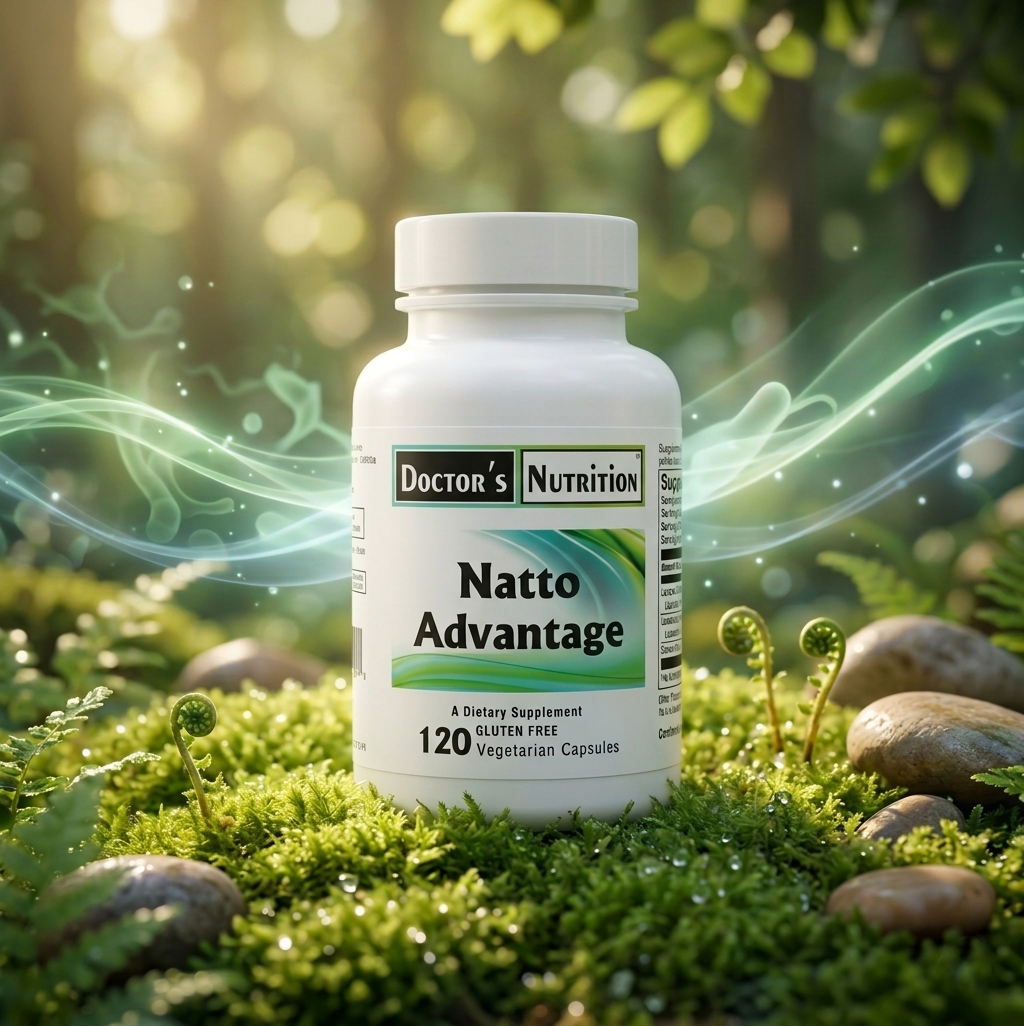
Natto Advantage from Doctor’s Nutrition
Doctor’s Nutrition combines three targeted ingredients for cardiovascular support:
- Nattokinase: fibrinolytic activity and circulation
- Serratiopeptidase: breaks down inflammatory proteins and fibrin
- Rutin: antioxidant support for capillary integrity
A systems-based approach to keeping your blood moving and your vessels healthy.
Safety, Side Effects, and Precautions
Nattokinase is generally well tolerated by healthy adults. Some mild side effects like digestive discomfort, headache, or dizziness may occur when you first start taking it [6].
Serious adverse events are rare but may include increased bleeding risk when combined with anticoagulant or antiplatelet medications [6,7]. You should be cautious if you have bleeding disorders, upcoming surgical procedures, or if you’re pregnant or breastfeeding.
Long-term safety data show favorable tolerance at routine doses up to 4,000 FU per day, with no significant liver or kidney toxicity reported in otherwise healthy adults [6].
How Nattokinase Is Produced
Nattokinase comes from the controlled fermentation of soybeans using Bacillus subtilis natto. During enzyme synthesis, the bacteria produce nattokinase as part of their metabolic process, which is then extracted and purified for supplement use.
Modern nattokinase production methods isolate purified nattokinase with consistent enzymatic activity while reducing exposure to whole soy proteins, improving quality control and making it more accessible [1]. The enzyme derived from this fermentation process goes through careful purification to create a highly purified form that’s suitable for supplementation.
Quality supplements use natto extract that’s been processed to concentrate the active enzyme while removing compounds that give natto its characteristic smell and taste. This purification ensures the enzyme produced maintains its fibrinolytic activity while being more palatable and consistent in potency.
Functional Testing: Context Matters
While nattokinase can be a useful tool, supplements shouldn’t replace clinical insight. Blood work and functional testing give you the context you need to figure out whether circulatory support, inflammation management, or another intervention is actually appropriate for you.
Without data, supplement use is just guesswork. With data, it becomes targeted support.
Frequently Asked Questions About Nattokinase
How much nattokinase should I take per day?
Most clinical trials use doses between 2,000 and 4,000 fibrinolytic units (FU) daily, which corresponds to roughly 100–200mg of nattokinase. Studies using this range have shown meaningful improvements in blood pressure and fibrinolytic activity with good tolerability. Starting at the lower end and adjusting based on your response is a reasonable approach.
When is the best time to take nattokinase?
Nattokinase is best taken on an empty stomach, either first thing in the morning or at least 30 minutes before a meal. This reduces interference from digestive enzymes and maximizes how much active enzyme reaches your bloodstream.
Why take nattokinase on an empty stomach?
Digestive processes can break down proteins and enzymes before they’re absorbed. Taking nattokinase away from food gives the enzyme a better chance of passing through your digestive tract intact and entering circulation in its active form, which is where it does its work.
How long does nattokinase stay in your system?
Research on nattokinase pharmacokinetics suggests fibrinolytic activity peaks in the bloodstream within a few hours of taking it and measurable effects on clotting markers can persist for 8 to 12 hours. This is why some protocols recommend splitting the dose into morning and evening if taking 4,000 FU daily.
Can nattokinase help lower blood pressure?
Multiple randomized controlled trials in adults with mild to moderate hypertension have shown modest but statistically significant reductions in both systolic and diastolic blood pressure over 6 to 8 weeks of daily supplementation. It is not a replacement for blood pressure medication, but it may be a useful addition to a prevention-focused cardiovascular strategy.
Is nattokinase safe for long-term use?
Long-term safety data show favorable tolerance at standard doses up to 4,000 FU per day, with no significant liver or kidney toxicity reported in otherwise healthy adults. The main precaution is for people on blood thinners or anticoagulant medications, where the combination could increase bleeding risk. Always consult your doctor if you are on any prescription medications before adding nattokinase.
References
- Sumi H, Hamada H, Tsushima H, Mihara H, Muraki H. A novel fibrinolytic enzyme (nattokinase) in the vegetable cheese natto. Experientia. 1987;43(10):1110-1111.
- Urano T, Ihara H, Umemura K, et al. The profibrinolytic enzyme subtilisin NAT purified from Bacillus subtilis cleaves and inactivates plasminogen activator inhibitor type 1. Journal of Biological Chemistry. 2001;276(27):24690-24696.
- Hsia CH, Shen MC, Lin JS, et al. Nattokinase decreases plasma fibrinogen, factor VII, and factor VIII in human subjects. Nutrition Research. 2009;29(3):190-196.
- Bhagat S, Agarwal M, Roy V. Serratiopeptidase: a systematic review of the existing evidence. Journal of Enzyme Therapy.
- Ganeshpurkar A, Saluja AK. The pharmacological potential of rutin. Saudi Pharmaceutical Journal. 2017;25(2):149-164.
- Kim JY, Gum SN, Paik JK, et al. Effects of nattokinase on blood pressure: a randomized controlled trial. Hypertension Research. 2008;31(8):1583-1588.
- Jensen GS, Lenninger M, Ero MP, Benson KF. Consumption of nattokinase is associated with reduced blood pressure and von Willebrand factor, a cardiovascular risk marker: results from a randomized, double-blind, placebo-controlled, multicenter North American clinical trial. Integrated Blood Pressure Control. 2016;9:95-104.
- Fujita M, Hong K, Ito Y, et al. Thrombolytic effect of nattokinase on a chemically induced thrombosis model in rat. Biological and Pharmaceutical Bulletin. 1995;18(10):1387-1391.

Good to find non-big pharma information reg supplements. Intro claimed ‘In this article, we’ll look at … who might benefit.’ That was my primary concern, but you neglected to include any such.
Your list of benefits does not show that nattokinase is actually a very good biofilm disruptor which is very sought after for gut health and removal of unwanted parasites and bacteria.
I didn’t know this at first but when I started taking it I had clearly an incredible amount of biofilm in my guts that came out over 2 weeks. It was